Downright Joy

Discovering joy in unexpected places – a journey into Down's syndrome, Dyspraxia & Autism


Leave a comment

Trampling Through Tulips

Photo by Marija Zaric on Unsplash

For those of us well versed in all things Down’s syndrome related, we are likely very familiar with the poem ‘Welcome to Holland’ (You can read about it here if you’ve not come across it). 

Perhaps it was handed to us as new parents around the birth of our baby; a child born carrying an additional chromosome.  Or perhaps we stumbled across it as we trawled the internet searching for answers to allay new found fears and uncertainties in those early days of parenthood.

It’s a poem that divides opinion in our community, but this isn’t a post about its virtues or its vices. If anything, I’m Team Italy…mostly because of my family connections with a country that has long had my heart for many decades. So, Welcome to Holland did little for me when I was introduced to it some 14 years ago, but it still has its place for others, I cannot deny.

In reality, neither my experiences of the Italian way of life, or my understanding of how the Dutch operate bear much resemblance to where and how I actually live, as the parent of a teen with Down’s syndrome and complex needs.

Mamma Mia! 
The tulips round my way are long past their best.

No. Instead, I find myself residing here, in Suburbia, living at Wit’s End. Brought here on the Sleepless Night (after night) Bus, without it seems, a return ticket. Hopping on and off along the way to search for answers to this month’s health dilemmas. No, I’m wrong…..searching first for an appointment to look for answers to this month’s health dilemmas. Trying doors that say “Welcome” or “Open” only to find them cruelly locked from inside. I think, on occasion, I may have imagined the sound of laughter from within. 

And so here I am, living at Wit’s End. Carrying little else but the complex needs of my disabled child. Bags still hopefully packed with my dreams for her life. For our lives. 

Yet it’s here, not in Holland or Italy, that I find, in fact, I’m not alone. If I thought the centuries old, cobbled back alleyways of my beloved Sorrento were crowded with fellow travellers, it’s nothing to this place. It’s not very Instagrammable though, this Wit’s End. I’ll give you that.

But it’s here we gather. Each bringing our own stories of how we got here, of who would not listen to us, of who dismissed our fears or rubbished our requests for help. Telling each other stories of how many times our loved ones (and us as care givers) were failed, ignored, mistreated, maligned.

You would be forgiven for thinking that Wit’s End is the most depressing place on earth. 

And yet it is here I find my community. I find those who reached this destination long before I did, and are ready to welcome me into their homes, to explore their hive-minds, share their lives filled empathy, understanding, compassion, humour and so much more. Here I find, almost without fail, someone who will ask me “Have you thought about this…?” Or “What about trying this, it worked for us.”

It’s here, in the village of Wit’s End, I’ve found people who want to know and understand my child, and me. I’ve found Complex Carer Nurses, I’ve found parents of children with Down’s syndrome and or other conditions and complex needs. I’ve found other Wit’s Enders ready to make me laugh and not take myself so seriously. Quick to bring perspective, a joke, a slice of cake and a cup of coffee. There is, I’ve found, an end- less supply of Wit to be found here and I am eternally thankful for it. Heck, in my neck of the woods there is even our own Farm …a place with those ready to share our load and give us respite from our travels!

One of the most beautiful things I found about the Italian way of life, aside from the art, the architecture, the scenery, the beautiful weather, the food…..I could go on……is how much they know each other and are known by each other.  The sense of community there, I’ve always felt, is to be envied by us more insular Brits. But perhaps my beloved Italian culture is closer to my own experiences than I think.

Being known and heard is everything when you are a carer to a child (young or old) with complex needs and disabilities.  I may have been driven on many occasions to Wit’s End by circumstances and by not being seen or known. Yet when each time I arrive, without fail, I find friendship, laughter, hope and comfort that I am not alone.

Welcome.

2 Comments

Lemons and Pomegranates

I recently took time out from caring for my disabled child who has Down’s syndrome and took a trip to Italy to visit family I had not seen for a very long time.

It was also an opportunity to spend more time with my eldest child, and introduce her to a whole new cultural experience as well as meet some of our family for the first time. For one entire, exhilarating week, we wandered the cobbled streets of Sorrento, savouring the sights and the sounds of this beautiful coastal town in the Bay of Naples. 

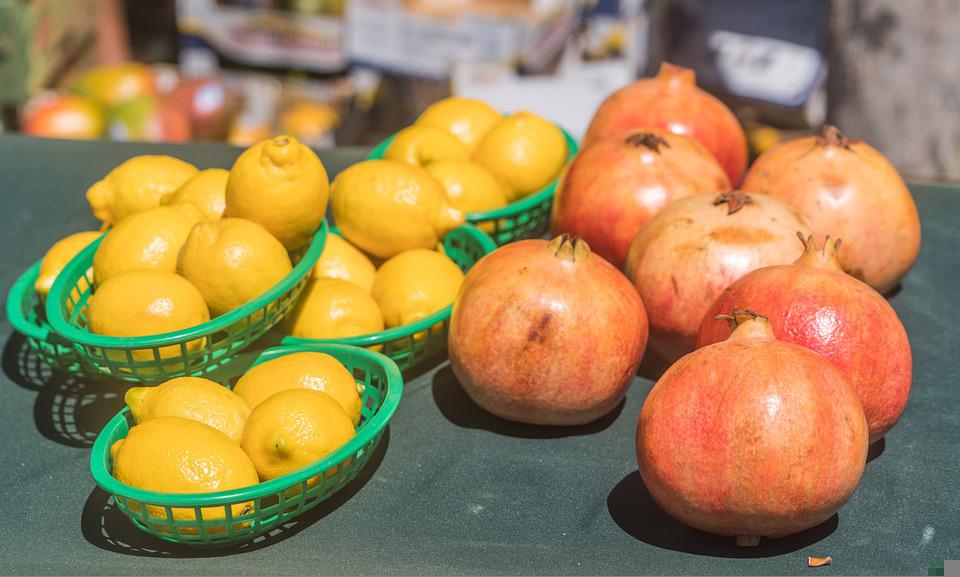
Lemon trees lined our pathways, Orange trees also. In the narrow back streets, shops and bars jostled for space and competed for customers, their baskets filled with ruby red pomegranates and lemons the size of grapefruits. Leather goods spilled out of doorways giving off an intoxicating air of ‘We are Quality and we know it.

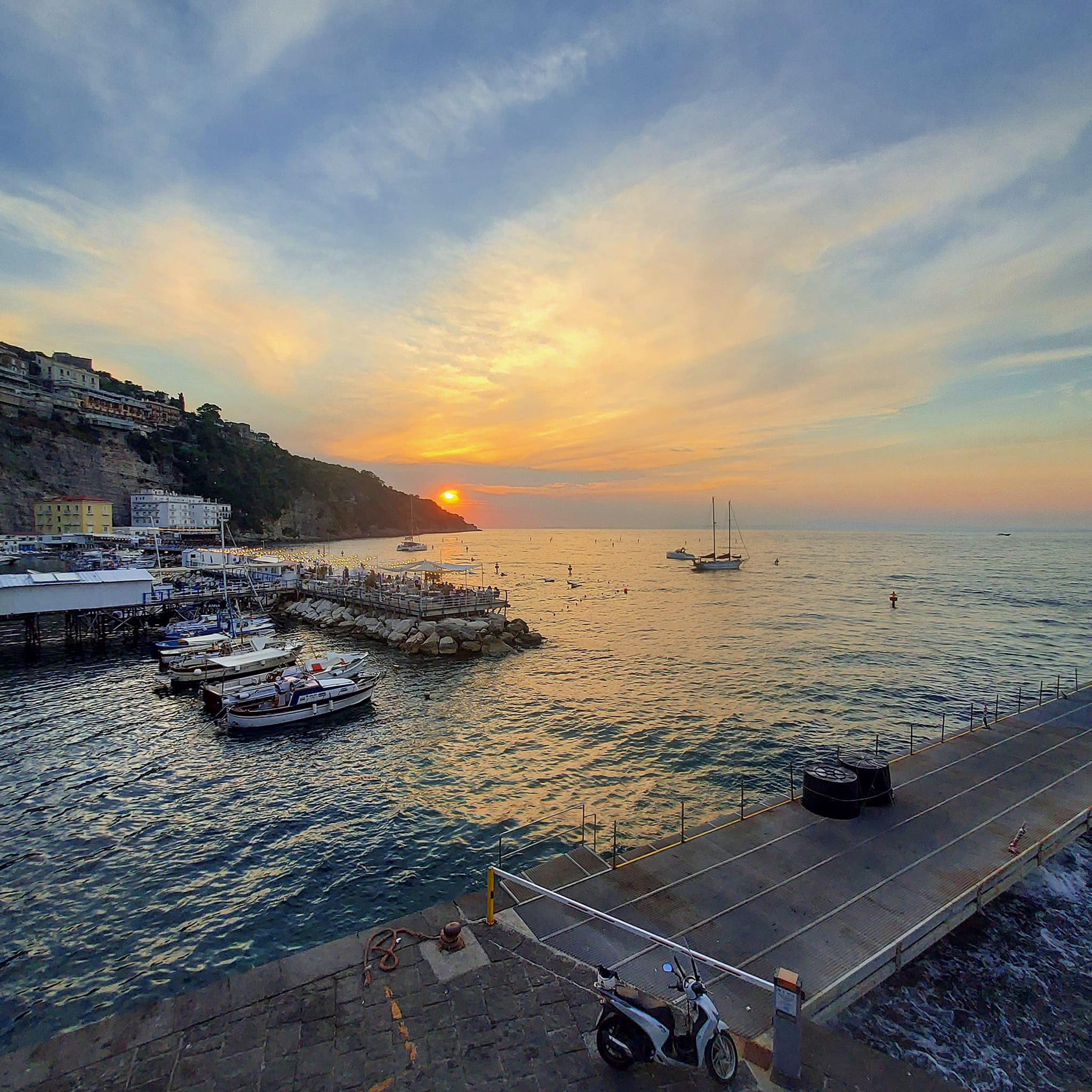
Sorrento, according to Greek mythology, was home to Sirens, who lured sailors onto its rocks with their mesmerising songs. Today, tourists and locals alike gather above those rocks, lured not by song but by sunsets. A place to stand and pause, capturing a memory or two against the vibrant colours of blue, fiery reds, orange and deepest yellow hues that fill the skies.

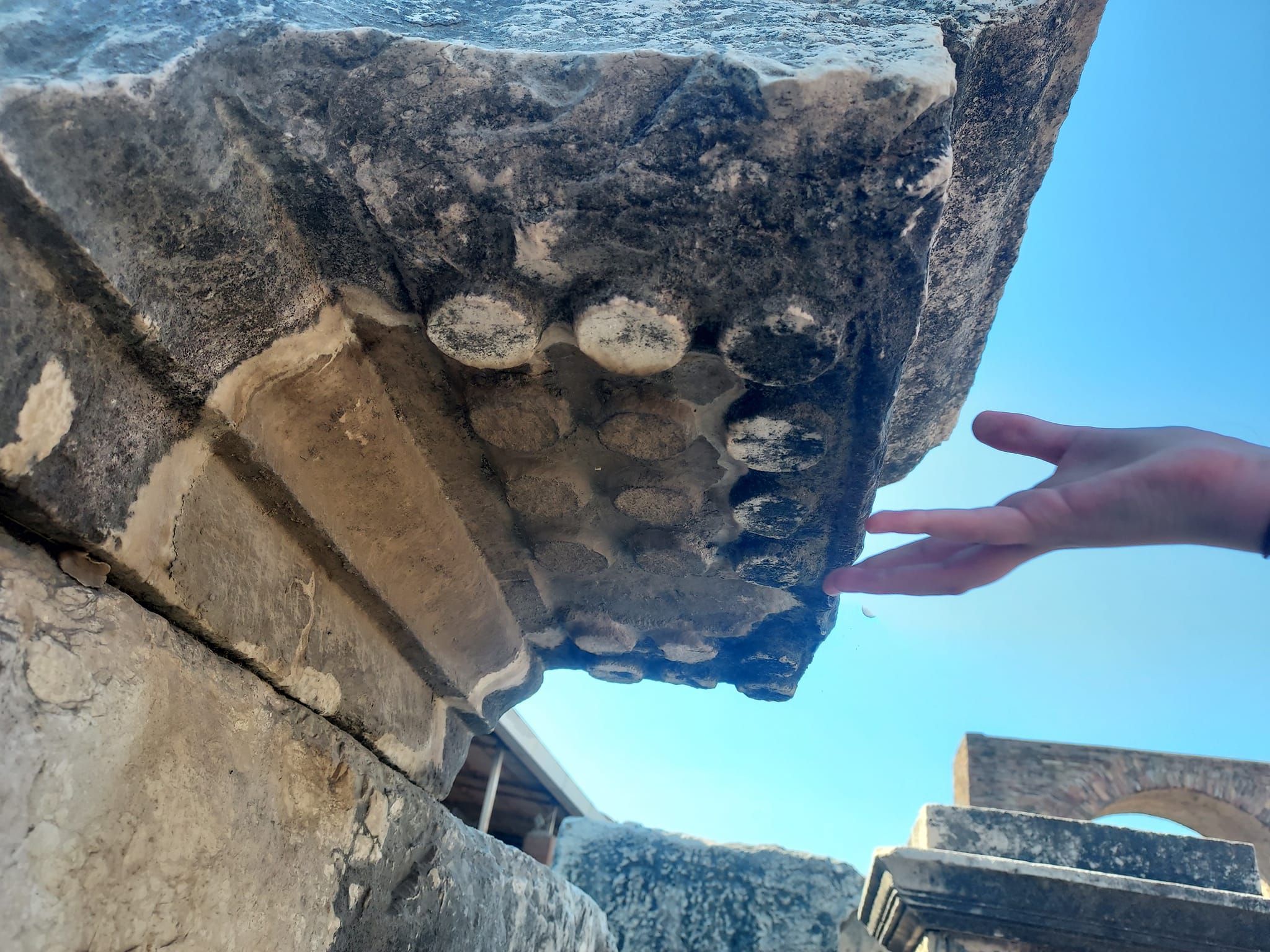
A short train ride along the coast finds the ancient city of Pompeii and its neighbour Herculaneum. In AD 79, a cataclysmic eruption of Mount Vesuvius, known to locals as His Majesty, destroyed the lives of over 16000 inhabitants and the livelihoods of those fortunate enough to escape the suffocating clouds of ash or the pyroclastic flow.  Wandering through Pompeii’s ruins, our local tour guide brought this legendary city to life as she told us stories of some of the people who once lived and worked here. The rich, the poor, the everyday and ordinary lives and their extraordinary blueprints for so much that we know and use today. Who knew, for example that house builders in Roman Pompeii knew the design for LEGO centuries before LEGO did? Our guide told us much of what she knew; human stories of human lives, achievements, hardships, joys and sorrows. Baking bread, shopping for clothes, going to the theatre, gossiping in the town square. Every day life of men, women and children, living and thriving in community.

‘Lego’ type design found on building blocks in Pompeii

One of the most remarkable outcomes, at least to me, of the story of the Volcanic eruption in AD79 is how the surrounding area eventually recovered from this catastrophe. The whole region is famed for its produce. Olive groves aplenty, vineyards, oranges, lemons and much more are to be found on the slopes of Vesuvius in abundance. And, according to historians and geologists, the land became far more fertile as a result of the eruption. The economy recovered relatively quickly and future generations enjoyed the spoils from the enhanced rich soil. They thrived. His Majesty Vesuvius brought life as well as death.

When my daughter, who has Down’s syndrome, was born I was given a poem. The poem was about a planned holiday to Italy being diverted in the air and landing in Holland instead. This poem is well known in the Down’s syndrome community and is a bit like marmite in the way it divides opinion. Personally, I found it to be well meaning, but deeply disappointing. No offence to the Dutch; I’d love to visit their country too one day. But I will not allow anyone to steal Italy from my heart or my dreams.  Having a child with Down’s syndrome is not a diversion or even a different destination; who knows where any of us will end up in life after all? Neither is it a catastrophe as some think or express.

What happened in Pompeii was a catastrophe. Having a child with a disability is not.

I do not minimise the challenges that come with bringing up a child with Down’s syndrome. I never have, I hope. The opposite in fact. I have no desire to ‘lure’ any parent faced with the news that their baby might have a disability into a false sense of security, when the journey is clearly fraught with, at times, hard, rocky places. But modern day Sirens still go off where disability or, in particular, a diagnosis of Down’s syndrome is concerned; bringing fear, panic and urgency in decision making. They need always to be tempered, in my opinion, with a softer, sweeter song. A song not of falsities or deception, but of hope. There is still life to be had, to be lived, to be enjoyed. And in many ways it is a life more vibrant and verdant than before.

I do wish that my daughter’s life, and the lives of others born or unborn with disabilities are seen first and foremost as the humans that they are. Perhaps, if they were, there would be no need for a Down’s syndrome community or a disabled community.

Just a community would be enough. 

A community more welcoming, more supportive, more vibrant, more fertile, more prosperous and hope-filled for all its inhabitants, its humans, than ever existed before. Thriving.